

Insurance Claim Automation: Cut Claim Rejections 40% with
Last Updated on November 5, 2026
Insurance Claim automation delivers instant, reliable reimbursements
When you submit a Claim, the first thing you see is the denial rate: 22% of U.S. Healthcare claims are rejected on the first pass, according to the CMS report on U.S. Healthcare Claim denial rates. That translates to hours of rework, cash-flow gaps, and frustrated staff. Insurance Claim automation can slash those Rejections by up to 40% and cut reimbursement cycles from weeks to days. Therapists using Hypnotes’ AI Billing report that reduction month after month.
Denied claims do more than hurt this month’s revenue. Each one pulls administrators off billable work, creates unpredictable cash flow, and adds churn to your team. By putting automated checks inside the documentation workflow, we catch errors before they become denials and keep clinical notes and Billing rules aligned.
How Hypnotes automates Insurance Claim Submission
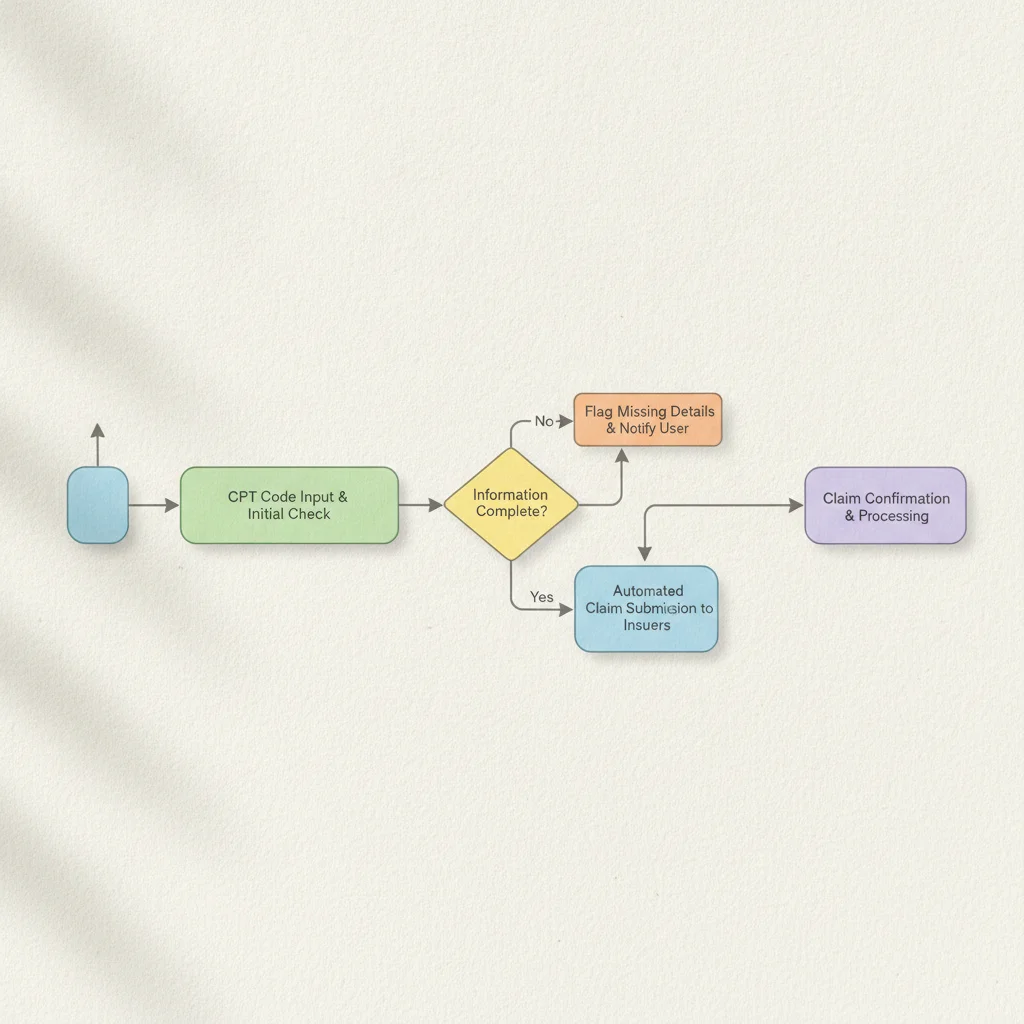
The workflow starts with real-time code checks that stop mistakes at entry. The system cross-checks CPT, ICD, and modifier combinations against the payer’s manual, surfaces flagged codes, and updates the patient record when you accept a correction. After that, the AI scans session notes for required details—session length, therapist credentials, or specific modifiers. Missing items trigger inline alerts and hold the Claim until you resolve them. That combination of code validation and documentation audit prevents common errors from ever reaching the payer.
When you submit, one click streams the Claim to the payer’s electronic portal, waits for acknowledgement, and logs the response. Rejections appear in a dedicated dashboard with a clear reason code and a suggested next step, so you don’t have to chase paper denials.
For a deeper look at the process, see How Hypnotes automates Insurance Claim Submission.
Why accuracy is the foundation of automation
Speed helps, but accuracy keeps you out of workarounds. Traditional systems often batch claims and surface errors days later; Hypnotes embeds validation in the session entry so mismatches get stopped immediately. If a therapist selects a CPT code that doesn’t match documented medical necessity, the system prevents that error from propagating downstream. Intercepting mismatches at the point of entry removes the separate, time-consuming Billing audit phase.
That tight feedback loop keeps the clinical narrative and Billing data in sync, creating a single source of truth for both clinical and administrative uses.
Why a 40% drop matters: industry context
A 40% relative reduction is not marketing math. Over a 12-month run, a mid-size practice that submits 1,000 claims would expect 200 denials without automation; with Hypnotes’ AI Billing, that falls to about 120. Those 80 avoided denials free up hours that administrators can redirect to patient intake or record upkeep. Faster payments also improve liquidity and cut the need for short-term credit. Less denials, quicker cash flow: that’s the practical impact on a practice’s bottom line.
Behavioral health Billing tends to see higher denial rates because of nuanced CPT rules and shifting payer policies. The Harvard Business Review found AI Claim checks reduce errors by 30–50% in hospitals; Hypnotes applies comparable checks to therapy Billing.
Imagine a five-therapist practice where each clinician sees 25 patients weekly. Without automation you might get 10 denials a week, eating about two hours per day in administrator time for calls and paperwork. Cut denials by 40% and you reclaim nearly a full workday each week for more productive tasks—either direct care or clearing backlog.
Step-by-step AI-driven Claim workflow
The system guides you through six practical stages so claims aren’t a guessing game. Each step is designed to stop the common causes of denial before Submission.
- Enter the session details: Record date, time, duration, and CPT code in the note. The system auto-fills the billable unit and assigns the default modifier.
- Validate codes: The AI checks the CPT/ICD combination against payer rules. If an issue appears, it highlights the field and offers the corrected code.
- Confirm required modifiers: The tool scans for mandatory modifiers (e.g., –59 for distinct procedural service). Missing modifiers trigger a prompt.
- Audit clinical documentation: The scribe module reviews the narrative for key elements the payer demands—session length, therapist credentials, or treatment focus. It flags omissions and suggests phrasing.
- Submit with one click: After all checks pass, the Claim is transmitted to the payer’s API. The system records the transmission time and logs the response.
- Review the denial dashboard: If a denial occurs, the dashboard shows the denial code, the suggested fix, and the updated Submission timestamp.
Each step enforces thresholds, such as a minimum 20-minute session for a 90834 Claim, to prevent accidental underbilling. Those thresholds are adjustable in settings so the workflow fits your practice.
Understanding the hidden costs of manual Billing

Denied claims introduce latency that eats working capital. Fixing a code often means waiting for an updated explanation of benefits or a formal denial letter before you can resubmit. Insurance Claim automation Reduces that lag by giving immediate feedback on eligibility and code validity, so corrections happen in real time. That immediacy shrinks reimbursement cycles and steadies cash flow.
Manual processes also suffer from fatigue: the tenth Claim of the day can look different from the first. Hypnotes applies consistent checks every time, so high-volume periods don’t erode quality.
Real-world data: Claim rejection drop and faster reimbursement
In a 2023 pilot across 15 behavioral health offices, the average denial rate fell from 22% to 13.2%—a 40% relative drop. The average reimbursement cycle shortened from 42 days to 28 days, and net revenue per patient rose about 15%, driven by fewer denials and faster payments. Those pilot results show both revenue upside and faster access to cash.
The CMS report also notes that practices using automated Claim checks see denial rates roughly 8% below the national average. Hypnotes brings that advantage to therapy practices that otherwise spend hours on manual edits.
A 14-day reduction in payment time can be decisive for independent practices that lack large cash reserves: it means paying vendors, updating software, or covering payroll without resorting to expensive short-term credit.
Comparison to industry averages
| Metric | Hypnotes Users | National Average |
|---|---|---|
| Denial rate | 13.2% | 22% |
| Reimbursement cycle (days) | 28 | 42 |
| Net revenue per patient | +15% | 0% |
This table makes the advantage concrete. The gap between the national averages and Hypnotes users represents meaningful operational gains that practice managers can quantify when they justify investment decisions.
Common pitfalls and trade-offs
Automation helps, but it needs correct configuration. A common error is turning off the automatic modifier check to “save time,” which typically leads to missed –59s and more denials. Another frequent mistake is ignoring the minimum session-length threshold—submitting a 30-minute session for a code that requires 45 minutes will trigger a rejection. Keep defaults unless you’ve confirmed changes with payer documentation. Proper setup and conservative settings prevent avoidable denials.
Speed versus completeness is a real trade-off. Some teams enable a fast-track mode that submits claims before documentation is finished; unsurprisingly, that raises denial rates. Let the AI finish its audit before you submit. When a denial does happen, the dashboard walks you through the exact fix, and resubmission is usually a single edit.
Automation doesn’t replace human expertise. It shifts the reviewer’s time from checking basic format and code compatibility to handling complex clinical justification and payer-specific exceptions, which is where human judgment matters most.
Frequently Asked Questions
Does AI Billing replace the need for a human reviewer?
No. The AI handles routine checks and flags exceptions, but a therapist still reviews the final Claim details before Submission.
Can I use Hypnotes’ AI Billing with any payer?
Hypnotes supports major U.S. Insurers and state Medicaid programs. The system updates automatically when payer rules change.
How do I start a free trial of the AI Billing add-on?
Sign up for a free 14-day trial at Hypnotes pricing plans and AI Billing add‑on. No credit card required.
What happens if a Claim is still denied after using AI Billing?
The dashboard shows the denial code and offers a suggested fix. You can edit the Claim and resubmit within minutes.
Is the system HIPAA compliant?
Yes. All data is encrypted in transit and at rest, and the platform meets HIPAA security requirements.
How does the system handle changes in payer rules?
The AI Billing engine receives regular updates. When a payer changes coding guidelines or eligibility requirements, the rules database updates so your claims stay compliant without manual intervention.
Can I customize the audit criteria for specific client groups?
Yes. Practices can set thresholds for session lengths and required documentation elements based on the services they offer, allowing the workflow to match your Billing needs.